Website of Heräys: www.herays.fi
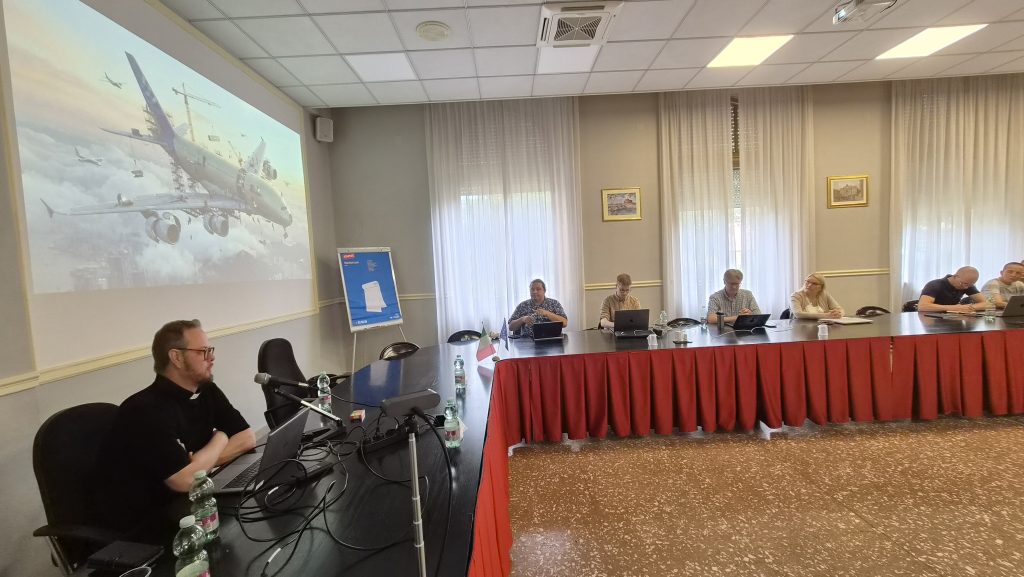
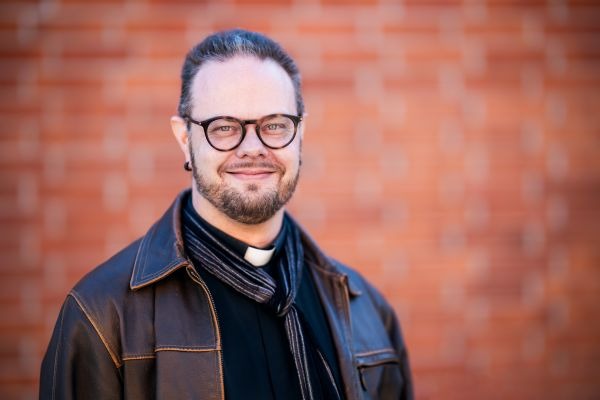
Jussi Koski is a Vicar in Vantaa, Finland, and a multi-talented pioneer in the intersection of faith, media, and emerging technologies. With a strong background in digital communication, Jussi has been a driving force behind major media phenomena, including serving as an organizer for Tubecon – Northern Europe’s largest YouTube event. He has also engaged directly with digital audiences through his own YouTube channel, Pastorific. Recently, Jussi spearheaded a high-level AI Summit Heräys, and he joins us to share his insights on how the Church can proactively drive the societal discussion in the era of artificial intelligence.
 Loading…

 Reload document
  Open in new tab
 AI Summary:
- Church Engagement with AI and Societal Change: Jussi Koski led a comprehensive discussion on the church’s proactive role in addressing the societal impacts of AI, highlighting the need for the church to facilitate balanced, relevant conversations and to support individuals and society in adapting to technological change, with contributions from Saimi, Hanna, and other church leaders.
- Church’s Traditional Approach to Innovation: Jussi Koski explained that the church has historically viewed new technologies with caution, often focusing on potential threats rather than opportunities, and referenced the Pope’s guidance on AI use in sermons as an example of this cautious stance.
- Need for Relevance and Balanced Discussion: Jussi Koski emphasized the importance of the church remaining relevant by engaging with current technological trends, not by uncritically adopting every innovation, but by thoughtfully considering how to communicate timeless truths in a rapidly changing world.
- Facilitating Societal Dialogue: The church’s role was positioned as a platform for societal dialogue, aiming to raise important questions about AI’s impact on humanity, ethics, and spirituality, rather than dictating specific opinions or solutions.
- Supporting Individuals and Society: Jussi Koski and other participants discussed the importance of helping individuals, such as creatives and translators affected by AI, and supporting society at large by keeping critical issues on the agenda and providing pastoral guidance rather than fear-based messaging.
- Heräys AI Summit: Organization and Impact: Jussi Koski described the conception, organization, and outcomes of the Heräys AI summit, a multidisciplinary event initiated by church developers and supported by partners including Microsoft, Google, the European Commission, and Finnish ministries, aimed at raising awareness and preparing society for AI-driven change.
- Summit Objectives and Target Audience: The main goals of Heräys were to awaken the public to the scale of AI-driven change, facilitate value-based discussions, and enhance the church’s relevance, with a particular focus on reaching the general public and the elderly, not just executives or tech enthusiasts.
- Multidisciplinary Partnerships: The summit was organized in collaboration with a range of partners, including corporations (Microsoft, Google), government bodies, research institutions, and multiple parish unions, which increased credibility and reach but also required balancing partner interests.
- Event Structure and Participation: Heräys featured live events at a science center, interactive online elements, and post-event activities, attracting around 200 in-person attendees and thousands online, with significant media coverage and a combined reach exceeding 2 million people.
- Content and Themes: The summit addressed topics such as AI’s societal impact, security, creativity, environmental effects, and ethical considerations, and included innovative elements like AI-generated content and interactive discussions with AI.
- Feedback and Outcomes: Participant feedback was highly positive, with an average rating of 9.1 out of 10, and the event succeeded in stimulating workplace discussions and increasing the church’s visibility in mainstream and church-linked media.
- Challenges and Strategies in Church-Led AI Initiatives: Jussi Koski and participants discussed the challenges of organizing church-led AI initiatives, including media framing, partner management, and internal church processes, and shared strategies for maintaining credibility, relevance, and constructive engagement.
- Media Framing and Public Perception: Jussi Koski noted that media outlets often focus on negative or fear-based narratives about church involvement with AI, which can reinforce stereotypes and hinder the church’s efforts to present a balanced, hopeful perspective.
- Partner Collaboration and Limitations: While partnerships with organizations like the European Commission, Microsoft, and Google enhanced the event’s credibility, they also imposed certain constraints, such as the need to avoid criticizing sponsors and to deliver value to all stakeholders.
- Internal Church Organization: The Heräys summit was organized organically by motivated individuals rather than through traditional hierarchical church decision-making, which enabled agility but required self-sourced resources and grassroots support.
- Constructive Engagement over Alarmism: Participants agreed that the church should avoid a ‘doomsday’ approach and instead focus on preparing people for change, offering hope, and addressing real challenges such as job displacement and identity in the age of AI.
- Ethical, Spiritual, and Societal Implications of AI: Participants, including Jussi Koski and others, explored the ethical, spiritual, and societal implications of AI, such as its effects on relationships, creativity, human development, and the need for the church to address these issues thoughtfully and inclusively.
- AI and Human Relationships: A participant highlighted the growing use of AI for companionship, intimacy, and even as digital twins for deceased individuals, raising questions about authenticity, the blurring of life and death, and the role of theology in these discussions.
- Impact on Creativity and Human Development: Concerns were raised about AI’s impact on creative professions and the potential for reduced human cognitive development, with calls for AI development to respect human imperfection and the need for friction and diverse opinions.
- Children and Vulnerable Groups: The discussion included the importance of considering children’s experiences with AI, the risks of perfectionism, and the need for the church to help children and vulnerable groups navigate the challenges posed by AI.
- Spiritual Leadership and Truth: Jussi Koski and others debated the balance between raising important questions and asserting core truths, emphasizing the church’s responsibility to facilitate open, inclusive discussions while maintaining ethical and spiritual guidance.
- Lessons Learned and Recommendations for Future Initiatives: Jussi Koski concluded with reflections on lessons learned from organizing Heräys and offered recommendations for future church-led initiatives, emphasizing adaptability, strategic issue selection, and the importance of entertainment and engagement.
- Adaptability and Forward-Thinking: Jussi Koski advised against anchoring discussions to current technological limitations, urging the church to anticipate future developments and to prepare society for possibilities that may soon become reality.
- Strategic Issue Selection: The importance of carefully selecting which issues to raise in public forums was highlighted, with a focus on societal relevance and the church’s unique capacity to facilitate meaningful dialogue.
- Entertainment and Engagement: Jussi Koski noted that successful events must balance substantive discussion with engaging, entertaining formats to capture and maintain public attention, which often requires additional resources and partnerships.